
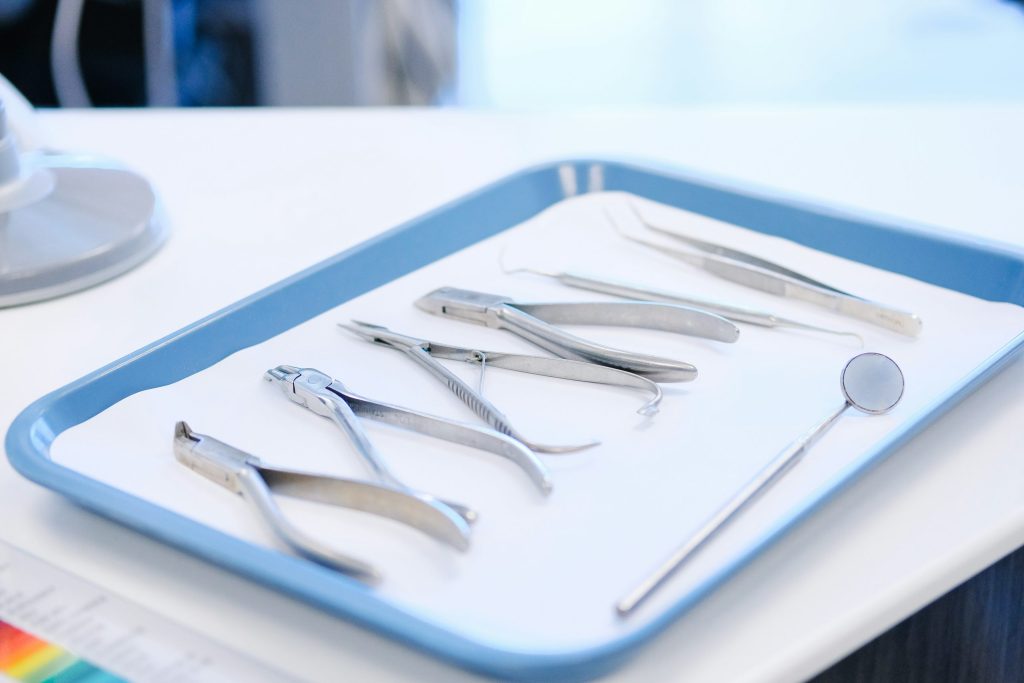
Whether you’ve had a tooth removed due to damage, decay, or in preparation for orthodontic treatment, proper post-extraction care is essential for a smooth, complication-free recovery.
At Rock Dental, we prioritize your comfort and long-term oral health, using advanced techniques and technology to ensure safe and effective extractions. Once the procedure is complete, your healing process begins, and that’s where your at-home care makes all the difference.
Below, we’ve outlined essential post-extraction care tips to help White Rock families and young professionals recover comfortably and confidently after a dental extraction.
Why Tooth Extractions Happen
There are several reasons a tooth might need to be extracted, including:
- Severe tooth decay or infection
- Advanced gum disease
- A broken tooth that can’t be restored
- Overcrowding in preparation for orthodontic treatment
- Impacted wisdom teeth
Our experienced dental team ensures every extraction is performed with precision and care, using digital imaging and minimally invasive techniques to reduce discomfort and promote faster healing.
What to Expect Right After a Tooth Extraction
Immediately following an extraction, your mouth will begin forming a blood clot in the empty socket. This is a normal and necessary part of the healing process. The blood clot acts as a protective layer over the bone and nerve endings and is crucial in preventing complications like dry socket. To keep this healing on track, here are a few aftercare tips:
Control Bleeding with Gauze
After your extraction, we’ll place a piece of sterile gauze over the site. Then, you’ll bite down gently but firmly on the gauze for at least 30 – 45 minutes. This helps to form a blood clot and control the bleeding. If the bleeding continues, replace the gauze and continue gentle pressure.
Be sure to avoid vigorous spitting, using straws, or smoking in the first 48 hours. These actions can dislodge the clot and increase your risk of dry socket, a painful condition that delays healing.
Manage Swelling with Cold Compresses
It’s common to experience some swelling in the cheek or jaw area within the first 24 – 48 hours. To minimize this, apply an ice pack (wrapped in a cloth) to the outside of your cheek for 15 minutes on and 15 minutes off during the first day.
Rest is Important
Take it easy for the first 24 hours. Elevate your head with an extra pillow while sleeping to reduce bleeding and swelling. Avoid heavy lifting, vigorous exercise, or bending over.
Remember, healing starts with rest. Even young professionals with busy schedules need to allow their bodies time to recover fully.
Eat Soft, Nutritious Foods
Stick to soft, room-temperature foods for the first few days. Good options include:
- Mashed potatoes
- Yogurt
- Scrambled eggs
- Smoothies (without a straw!)
- Applesauce
Avoid hot, spicy, crunchy, or sticky foods that could irritate the site or disrupt the clot.
Keep Your Mouth Clean
While you should avoid brushing directly near the extraction site for the first day, you can gently brush and floss other areas of your mouth. Starting 24 hours after surgery, rinse with warm salt water (½ teaspoon of salt in a cup of water) 2 – 3 times a day to keep the area clean and nurture healing. Avoid commercial mouthwashes, which may contain alcohol and irritate the healing tissue.
Know When to Call Your Dentist
Mild discomfort, swelling, and light bleeding are normal for a few days. However, contact our office immediately if you experience:
- Intense or prolonged pain
- Excessive bleeding that doesn’t stop after applying pressure
- Fever or chills
- Bad breath or foul taste that doesn’t improve
- Signs of dry socket (severe pain 2–3 days post-extraction)
We’re here to help every step of the way. Book a follow-up if anything doesn’t feel right.
What If the Tooth Was Infected?
In some cases, an extraction is needed due to a tooth infection that couldn’t be resolved with a root canal. Here at Rock Dental, we’ll always explore every option to save your natural teeth before considering extraction. But, if an extraction is necessary, we’ll make sure the risk of infection is addressed to set you on a pathway to healing.
Long-Term Oral Health After Extraction
Once your mouth has healed, we may recommend restorative options such as a dental bridge, partial denture, or implant to replace the missing tooth. Replacing a missing tooth helps maintain alignment, supports chewing, and preserves jawbone density.
We also use advanced imaging to plan precise, minimally invasive implant placements for anyone who’s ready to restore their smile.
Healing Made Easy at Rock Dental in White Rock
At Rock Dental, we combine compassionate care with cutting-edge technology to make sure you receive top-tier dental care. From your initial consultation to full recovery, our team will with you every step of the way.
If you’ve recently had a tooth extraction or are preparing for one, reach out to our White Rock dental team for guidance tailored to your needs. We’ll help you heal quickly, safely, and comfortably.
