

However, dental care is not an ordinary travel purchase. The total experience may include examinations, treatment planning, laboratory work, healing, adjustments, maintenance, and follow-up appointments. The lowest advertised price may not reflect every part of that process.
When comparing dental tourism vs. local dentistry in White Rock, BC, patients should look beyond the first quote. Cost matters, but so do communication, convenience, accountability, clinical continuity, and access to help after treatment.
Clinical note: This article provides general information and does not replace an examination or personalized advice from a dentist. Treatment needs, risks, costs, and recovery vary by patient and procedure.
What Does Dental Tourism Mean?
Dental tourism generally refers to travelling outside one’s home country to receive dental treatment. Patients may consider it for crowns, veneers, implants, dentures, oral surgery, or more extensive restorative work. The main motivations are often price, shorter advertised treatment schedules, or the opportunity to travel at the same time.
There are skilled dental professionals in many countries, so geography alone does not determine the quality of care. The challenge is that it can be difficult for a patient to evaluate a distant clinic, understand how its standards compare, and know what support will be available after returning home.
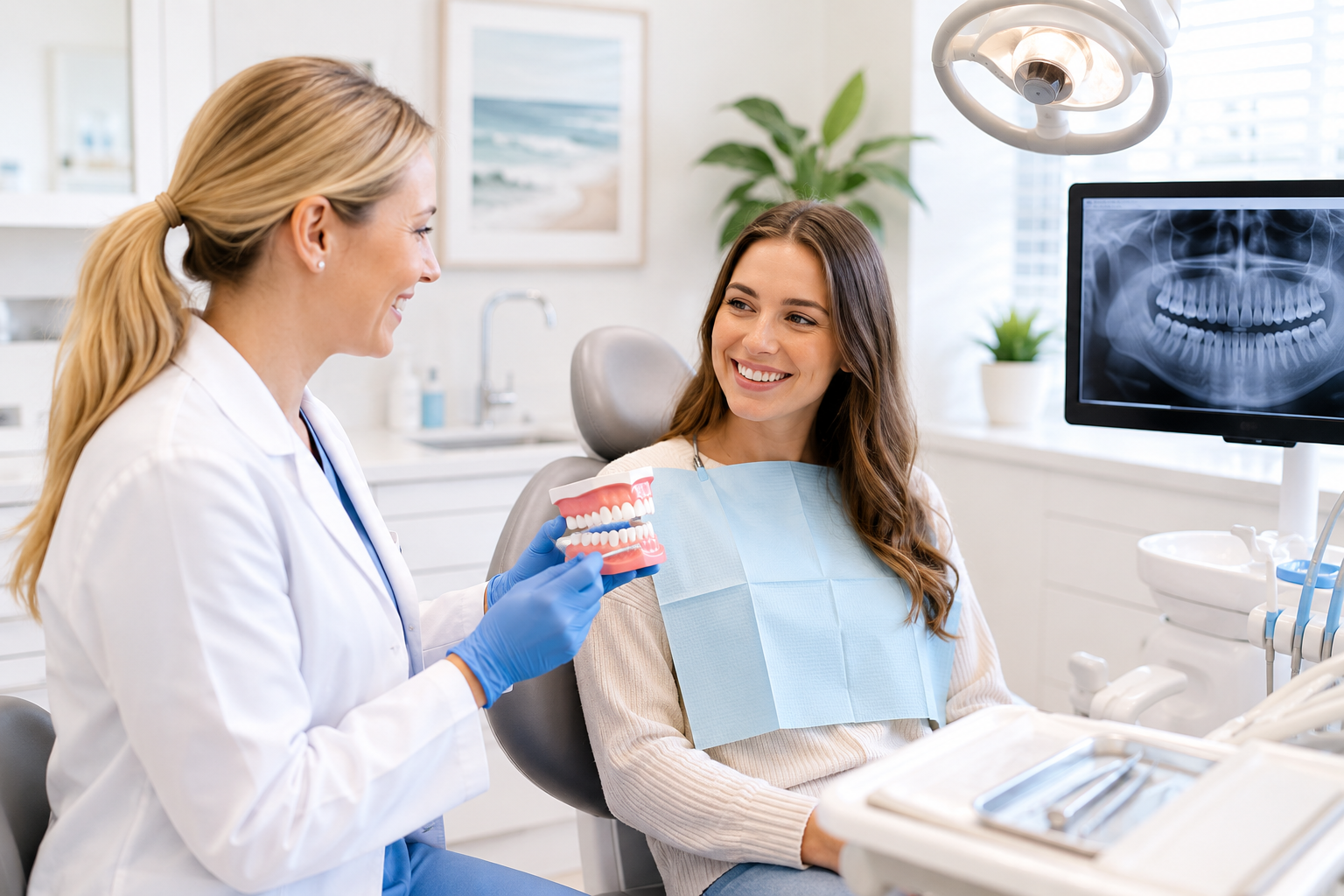
Local dentistry takes place close enough for in-person consultations, staged appointments, adjustments, and routine monitoring. For patients in White Rock, that proximity may make it easier to ask questions, review options, and maintain an ongoing relationship with the same dental team.
Compare the Full Cost, Not Just the Procedure Price
An overseas treatment quote may be lower than a local estimate, but the procedure fee is only one part of the total cost. A fair comparison should account for the entire trip and treatment process.
Possible travel-related expenses
- Flights, accommodation, meals, and local transportation
- Travel insurance and changes to existing reservations
- Time away from work or family responsibilities
- Additional trips if treatment cannot be completed as planned
- Costs associated with an accompanying family member or caregiver
Possible dental expenses after returning home
- Follow-up examinations or diagnostic records
- Adjustments to a bite, denture, crown, or temporary restoration
- Replacement or corrective care if a restoration does not meet the patient’s needs
- Ongoing maintenance that was not included in the original quote
Patients can ask both local and overseas providers for an itemized written estimate. It should identify which examinations, images, materials, temporary restorations, laboratory charges, medications, follow-up visits, and maintenance services are included. Currency conversion and payment terms should also be clear.
A local quote may appear higher at first while including services that an advertised travel package leaves out. Comparing equivalent plans helps patients make a more meaningful financial decision.
Consider How the Treatment Plan Is Created
Good dental planning begins with an understanding of the patient’s oral health, concerns, medical history, priorities, and expectations. A photograph or online questionnaire may help start a conversation, but it may not provide all the information needed for a final plan.
Before agreeing to treatment, patients should understand:
- What problem the treatment is intended to address
- Whether there are reasonable alternatives
- Which teeth are included and why
- What materials or components may be used
- Who will perform each stage of care
- What follow-up and maintenance may involve
- What happens if the plan changes after an in-person examination
For complex or elective treatment, a local second opinion can be useful even if the patient is still considering care abroad. It gives the patient another opportunity to compare recommendations and ask whether a proposed timeline seems suitable for their individual circumstances.
Think About Timing, Healing, and Follow-Up
Some dental tourism packages promote rapid treatment. Convenience can be valuable, but patients should ask whether the proposed schedule reflects the specific procedure and their individual needs rather than a standard travel itinerary.
Different parts of dental care do not always happen at the same pace. Early symptom improvement, soft-tissue healing, integration of an implant with surrounding bone, and placement of a final restoration are separate stages. Not every procedure involves all of these stages, and the appropriate sequence cannot be determined from a general online timeline.
Patients considering treatment abroad should ask what will happen if more time is needed, a temporary restoration requires an adjustment, or the final result cannot be completed before the return flight. They should also clarify whether flying soon after treatment is appropriate for the planned procedure by speaking with the treating dentist and, when relevant, their physician.
Local care can make staged treatment easier to coordinate. A nearby dental team can examine changes in person and plan follow-up around the patient’s progress rather than around international travel dates.
Communication and Informed Consent Matter
Patients should feel comfortable asking questions before agreeing to any dental procedure. They should receive explanations in language they understand, including the purpose of treatment, available alternatives, expected limitations, material choices, fees, and aftercare responsibilities.
When considering an overseas clinic, it helps to ask:
- Will consultations and consent documents be available in a familiar language?
- Can the dentist answer questions directly before payment is made?
- Will written treatment records and copies of dental images be provided?
- Can the clinic identify the brands or materials used?
- Who should be contacted after the patient returns to Canada?
A clear communication plan becomes particularly important if several clinicians, laboratories, or travel coordinators are involved. Patients should know who is responsible for clinical decisions rather than relying only on a booking representative.
Ask What Happens If Something Needs Attention Later
Even carefully planned dental work may need monitoring, maintenance, or adjustment. Before travelling, patients should request written details about the clinic’s follow-up policy and any warranty or guarantee language.
Important questions include whether the patient must return to the original clinic, which expenses the policy covers, how long it applies, and what conditions could make it invalid. A promise of “free correction” may not include flights, accommodation, lost income, or care delivered by another dentist in Canada.
A local dentist may be able to assess work completed elsewhere, but patients should not assume that every clinic can repair an unfamiliar restoration or honour another provider’s warranty. Records, diagnostic images, material information, and component details can help a Canadian dentist understand what was done.
A Practical Comparison Checklist
Before choosing between dental tourism and local dentistry, patients can compare providers using the same checklist:
- Credentials: Who will provide the treatment, and how can their registration and training be verified?
- Diagnosis: Is the final plan based on a complete in-person assessment?
- Options: Have alternatives, including doing nothing or delaying elective care, been explained?
- Costs: Does the written estimate include travel, laboratory work, temporary care, follow-up, and possible additional visits?
- Materials: Will the patient receive the names and records of the products or components used?
- Timeline: Does the schedule allow for all necessary stages rather than only the procedure itself?
- Communication: Can the patient speak directly with the treating dentist and understand the consent documents?
- Aftercare: Who will provide adjustments, maintenance, and help with concerns?
- Records: Will complete records be available to take home?
- Contingency plan: What happens if travel plans change or treatment cannot be completed on schedule?
If a provider pressures a patient to pay quickly, discourages questions, or refuses to provide a written plan, pausing for another opinion is reasonable.
Why Some Patients Prefer Local Dentistry in White Rock
Choosing a nearby dentist is not only about convenience. It can support continuity from the first examination through treatment, review appointments, preventive care, and long-term maintenance.
A local team can become familiar with the patient’s dental history, comfort preferences, and goals. If the plan needs to change, the patient can usually discuss the decision face to face without coordinating another international trip. Routine examinations also give the dental team opportunities to monitor previous work over time.
Rock Dental provides care for children, adolescents, and adults in White Rock, BC, Canada. Its dental services include preventive, restorative, cosmetic, and other treatment options. The appropriate approach depends on an individual assessment rather than a one-size-fits-all package.
Frequently Asked Questions
Is dental tourism always unsafe?
No. Quality can vary among providers in every country, and location alone does not establish whether a clinic is appropriate. Patients should evaluate the dentist’s credentials, treatment plan, communication, records, materials, infection-control information, and follow-up arrangements. The practical difficulty is that verifying these details and accessing aftercare may be harder from another country.
Is local dentistry always more expensive?
Not necessarily when the complete cost is compared. Patients should include travel, accommodation, time away from work, follow-up visits, and possible return trips. A local dentist may also be able to discuss phased treatment or alternatives that fit the patient’s priorities and budget.
Can a White Rock dentist fix dental work completed abroad?
A dentist can examine the area and explain what options may be available, but repair is not always simple or possible. The answer depends on the condition of the teeth and tissues, the type of restoration, available records, and whether compatible materials or components can be identified.
Should a patient get a second opinion before travelling?
A second opinion can be helpful when treatment is extensive, elective, irreversible, or difficult to understand. It allows the patient to compare diagnoses, alternatives, fees, timelines, and maintenance expectations before making travel commitments.
What records should a dental tourist bring home?
Patients can request copies of examination notes, dental images, the final treatment plan, procedure details, material or implant component information, laboratory records when available, medication instructions, and written aftercare guidance. These records may help another clinician provide future care.
Make the Decision With the Full Picture in Mind
The choice between dental tourism and local dentistry is personal. A lower initial quote may be important, but it should be weighed alongside the quality of communication, total expenses, treatment timing, access to records, and availability of follow-up care.
For many patients, local dentistry offers reassurance because the dental team remains nearby before, during, and after treatment. An in-person consultation can also clarify whether the proposed care is necessary, what alternatives exist, and how the plan can be adapted to the patient’s comfort and priorities.
Anyone comparing dental tourism with local care can contact Rock Dental in White Rock, BC, Canada, to request an assessment or second opinion. Bringing an overseas quote or proposed treatment plan can help the dental team address questions and explain the available next steps without pressure.
