
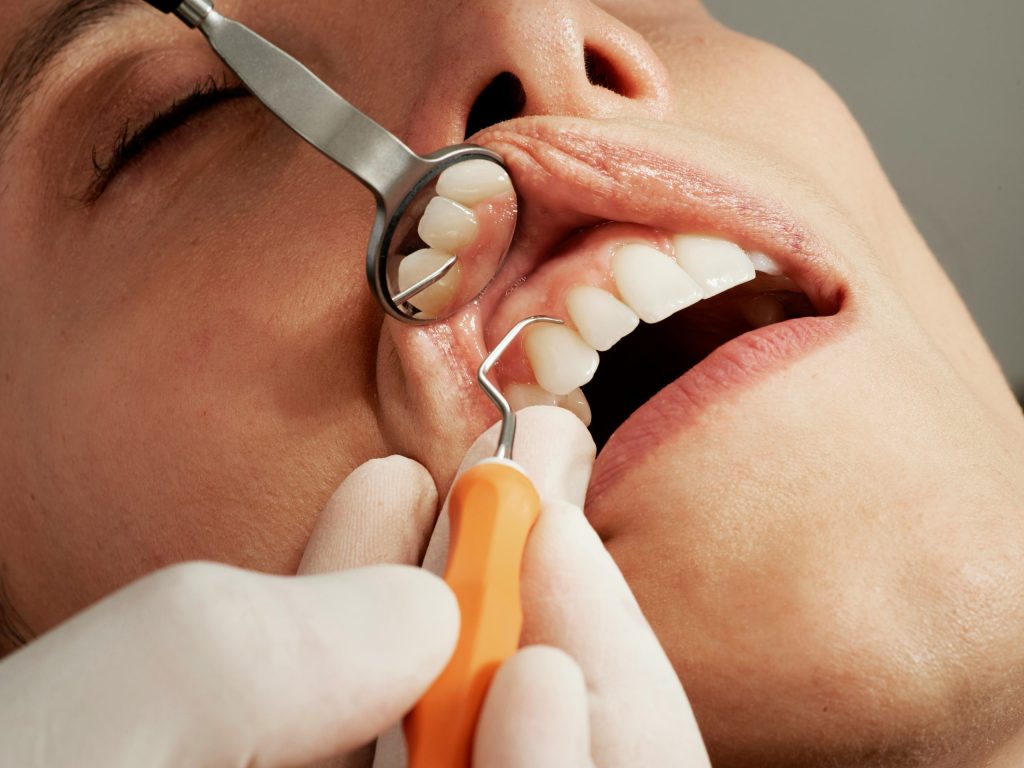
We use them every day to eat, speak, and smile, but most of us don’t think much about the structures that make up our mouths.
Understanding your teeth and gums is the first step in keeping them healthy.
Here at Rock Dental, we believe informed patients make the best decisions about their oral care. Together, let’s take a closer look at dental anatomy and why each part matters.
The Different Types of Teeth
Adults typically have 32 teeth, each with a unique role:
- Incisors are the flat, sharp front teeth that cut into food.
- Canines are pointed teeth that tear food.
- Premolars and molars grind and crush food into smaller pieces.
When a tooth is lost or damaged, it can affect how the others function. Treatments like dental crowns or implants can help restore balance so your bite stays strong.
Enamel: The Outer Shield
Enamel is the hardest substance in the human body. It protects your teeth from daily wear, acid, and bacteria. Despite its strength, enamel can’t repair itself once it’s lost.
That’s why preventive care, good brushing habits, and treatments like dental fillings are so important. Fillings stop decay from spreading deeper into the tooth when the enamel breaks down.
Dentin and Pulp: The Sensitive Layers Beneath
Beneath the enamel is dentin, a softer layer that carries signals to the tooth’s nerve. Inside that lies the pulp, which contains blood vessels and nerves that keep the tooth alive.
If decay or injury reaches the pulp, a root canal may be needed to remove infection and save the tooth. Thanks to modern techniques, these treatments are far more comfortable than most people expect.
Gums: The Foundation of Your Smile
Your gums (gingiva) hold teeth securely in place and form a protective seal around them. Healthy gums are firm and pink. When gums become inflamed or bleed, it can be an early sign of gum disease.
Professional cleanings at Rock Dental remove the buildup of plaque and tartar that brushing and flossing can’t reach. This sort of routine care helps prevent gum issues from progressing.
Common Anatomy-Related Concerns
Knowing the parts of your teeth and gums helps explain why certain problems arise:
- Tooth sensitivity often happens when enamel wears down and dentin is exposed. Treatments like dental bonding may be a solution.
- Cavities occur when bacteria eat through enamel and dentin. Early fillings can prevent deeper damage.
- Receding gums can expose tooth roots, leading to sensitivity and a higher risk of decay. Regular checkups help spot any early warning signs.
Why Anatomy Matters for Everyday Care
When you understand your dental anatomy, everyday habits make more sense.
- Brushing protects enamel.
- Flossing safeguards gums.
- Regular exams catch problems in the dentin or pulp before they become painful.
At Rock Dental, we combine modern technology with compassionate care to protect each part of your smile. Whether it’s preventive cleanings or restorative treatments, our goal is to keep your teeth and gums healthy for life.
Book With Rock Dental Today
Learning about your teeth and gums is the first step. The next is partnering with a team who can keep them strong and healthy.
Here at Rock Dental, our White Rock experts help patients of all ages with preventive, restorative, and cosmetic care.
Book your appointment today so, together, we can take the next step toward confident, healthy smiles.
